Rama I named it “the king of rivers”, Chao meaning chief/principal. In fact, the name of the river is Me Nam, “me” meaning mother, and “nam” meaning water.
You might know that on October-November last year, the heavy rains and Chao Praya caused tremendous inundations, with a huge lost. Nevertheless, Thailand has not asked for, nor did it accepted international help. Their King addressed the nation and asked them to behave like real Budhists, helping those in need and helping their country. And so they did. I admire them as a nation a lot.
Innitially my plan was to stay only in Bangkok, but fearing that the waters could endager my visits plan, I changed the itinerary on November and went to the North too. I don’t regret a single second but I’m a little sorry that I had so little time for Bangkok…
A boat walk on Chao Praya was the first thing I did when I arrived in Bangkok. So I learned that the city is a mix of old and new, of chaotic and ordered. Bridges, luxurious hotels, old wooden shacks, temples and shrines, European style buildings pass in front of your eyes. On the river, barges carrying different merchandise, all kind of vessels.
Chao Praya is the most rapid way to go to famous objectives like the Grand Palace, Wat Arun or the Museum of Royal Barges. The “orange” line (you see an orange flag on the boat) is operating between 6-19.30. A ticket costs 15 bht, indifferent how far you go. For crossing the river, you use the little ferryes (to be found at the main piers) and pay only 3.5 bht.
I think I told you all the necessary about Chao Praya and I invite you to look at the photos. I also say “Good bye” to Bangkok and Thailand! Another desire accomplished
Aceasta este postarea care incheie relatarea calatoriei mele in Thailanda. Am lasat-o intentionat la urma fiindca raul asta, ales de Rama I ca hotar al noii capitale, isi impleteste viata cu cea a orasului. Probabil ati auzit ca anul trecut, in octombrie-noiembrie, el impreuna cu ploile torentiale necontenite au provocat inundatii mari, cu pagube uriase (totusi, statul nu a cerut si nu a acceptat ajutor international: Regele lor s-a adresat natiunii, cerand sa se comporte ca adevarati budhisti, sa ii ajute pe cei care au nevoie si sa isi ajute tara; inteleg ca s-au donat sume imense de bani cu care – pana in decembrie deja – se refacusera multe, lucrarile continuind peste tot). Urmaream in permanenta site-urile locale pentru a vedea care este starea apelor in Bangkok si chiar mi-am modificat traseul! Initial, trebuia sa stau toate zilele in Bangkok dar, ca sa nu ratez de tot excursia in cazul in care apele nu s-ar fi retras suficient, am schimbat traseul, mergand si in locurile pe care vi le-am aratat. Nu-mi pare rau nici un moment ca am facut acest lucru, imi pare doar rau ca nu am avut mai mult timp la dispozitie si in Bangkok:)
Rama I a numit Chao Praya “raul regilor” (Chao, fiind “raul principal, raul sef”), dar el se numea, de fapt, Me Nam, adica “apa mama” (“me” este mama si “nam”, apa). In timpul sau existau mult mai multe canale in Rattanakosin, de aceea europenii care au vizitat orasul pe la 1782 l-au numit “Venetia Estului”.
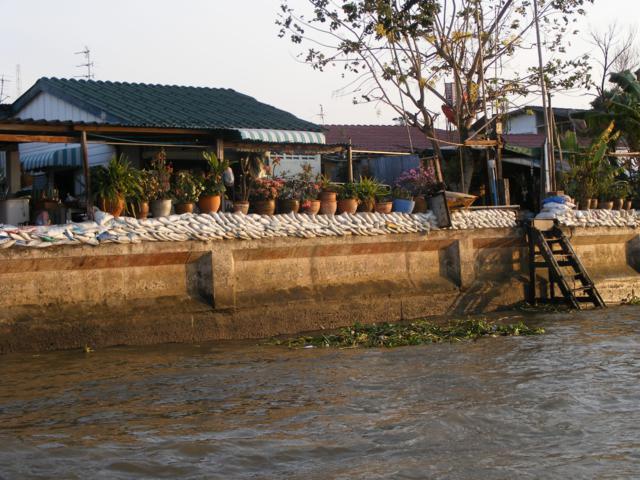
O plimbare cu barca pe rau este primul lucru pe care l-am facut cand am ajuns la Bangkok. In felul acesta am invatat ca orasul este o imbinare de vechi si nou, de haotic si ordonat. Poduri, hoteluri luxuriante, vechi case de lemn, cocioabe saracacioase, temple si altare, constructii in stiluri europene, defileaza prin fata ochilor avizi de imagini ai calatorului.

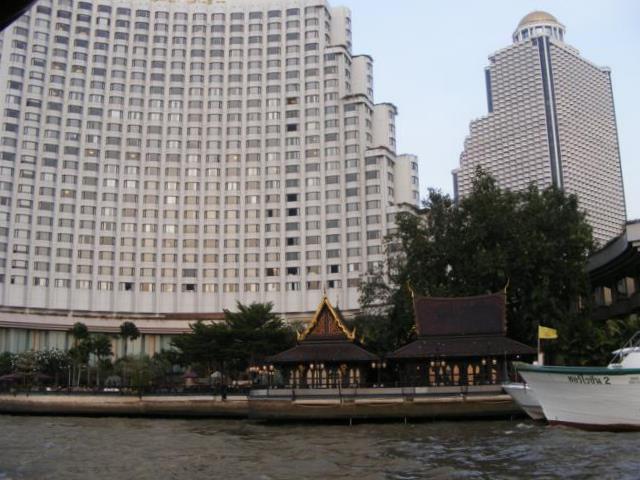

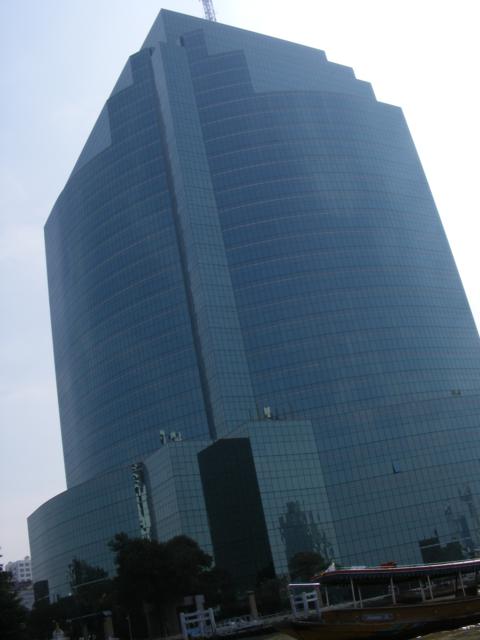


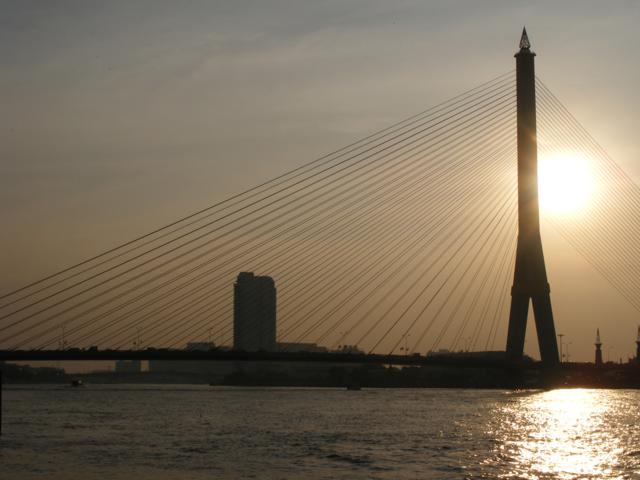


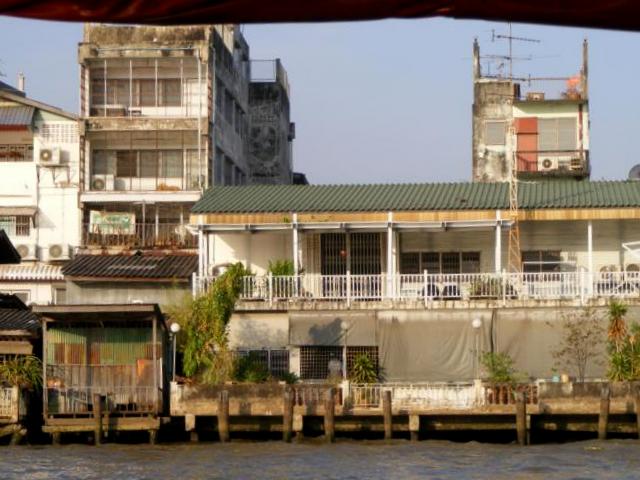
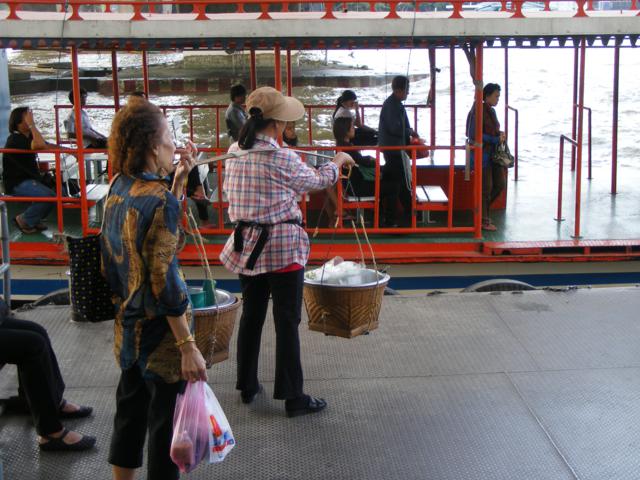

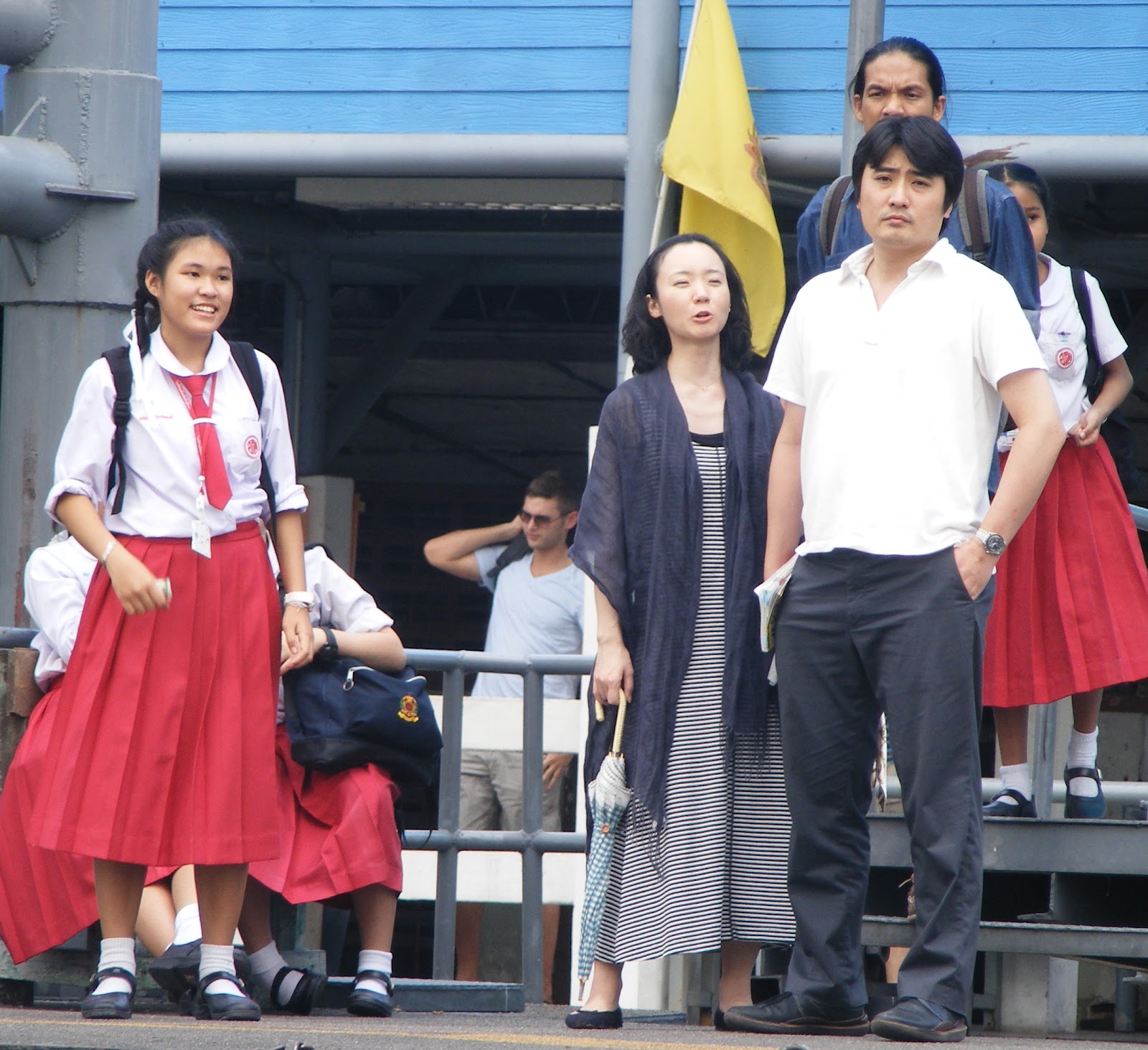

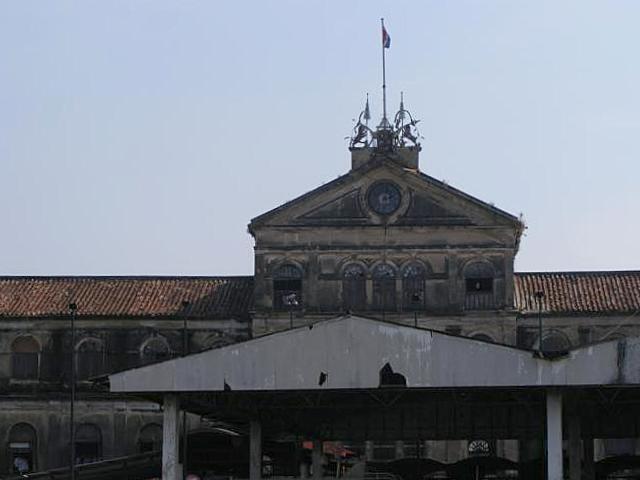
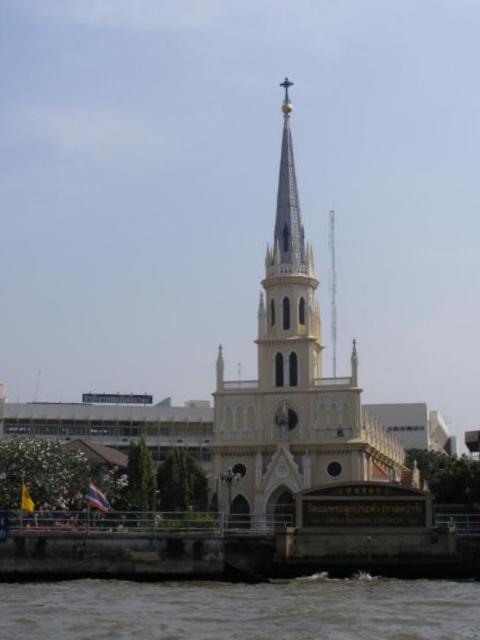


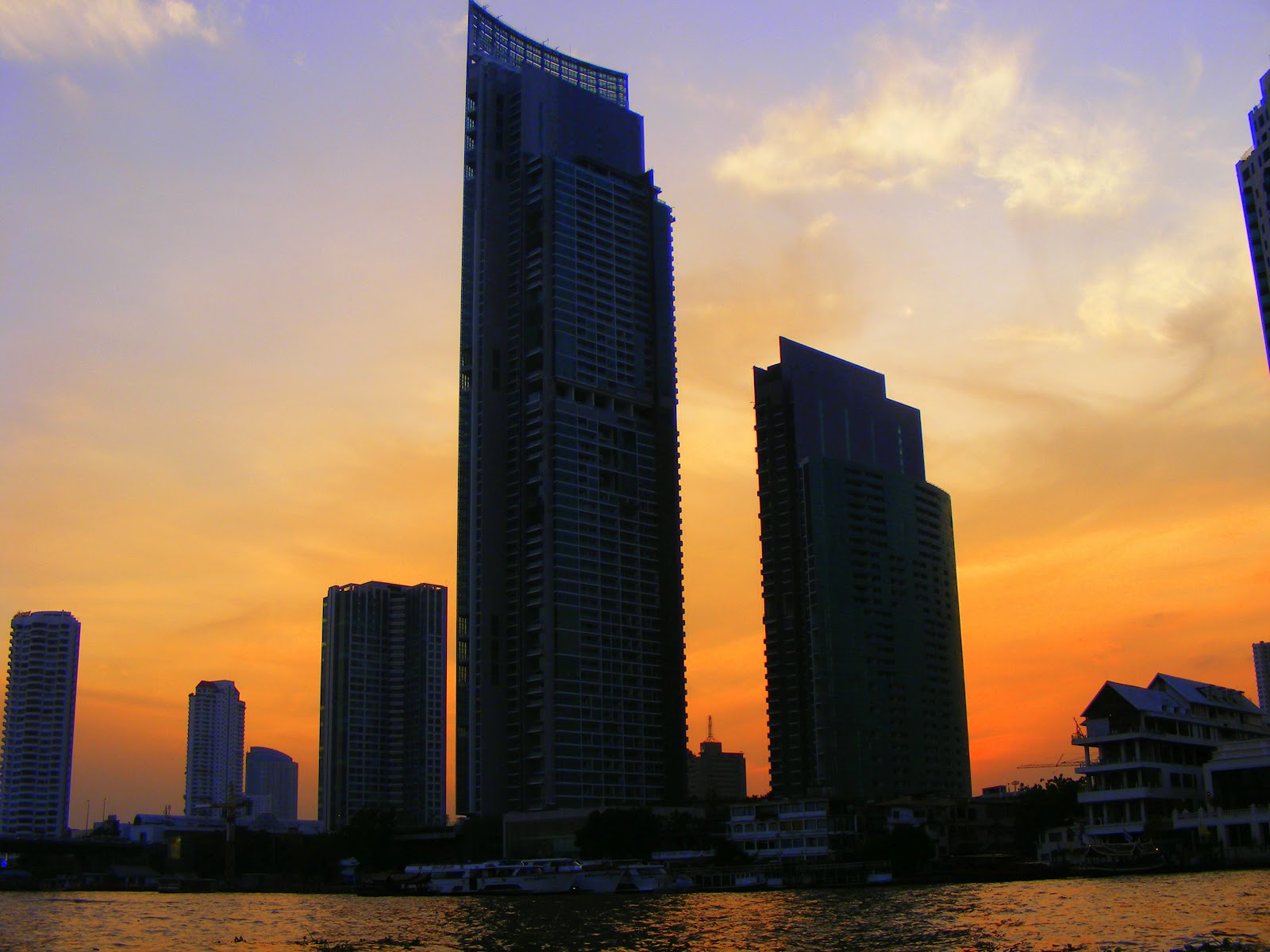

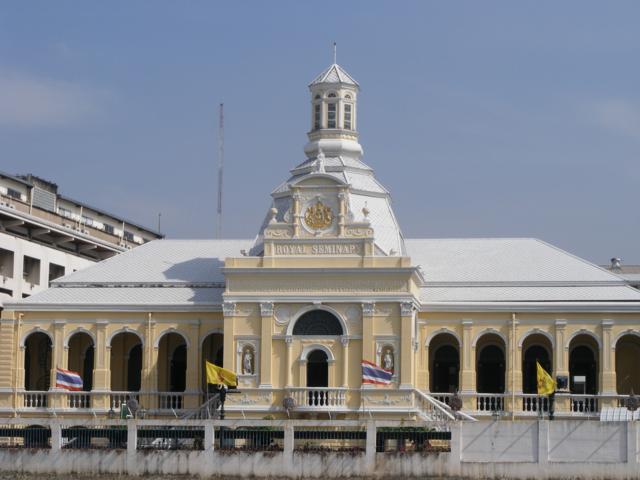


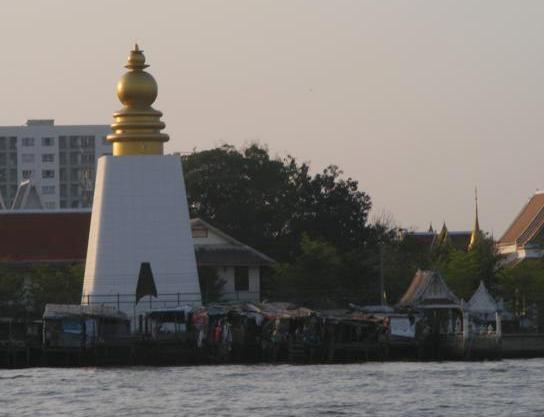

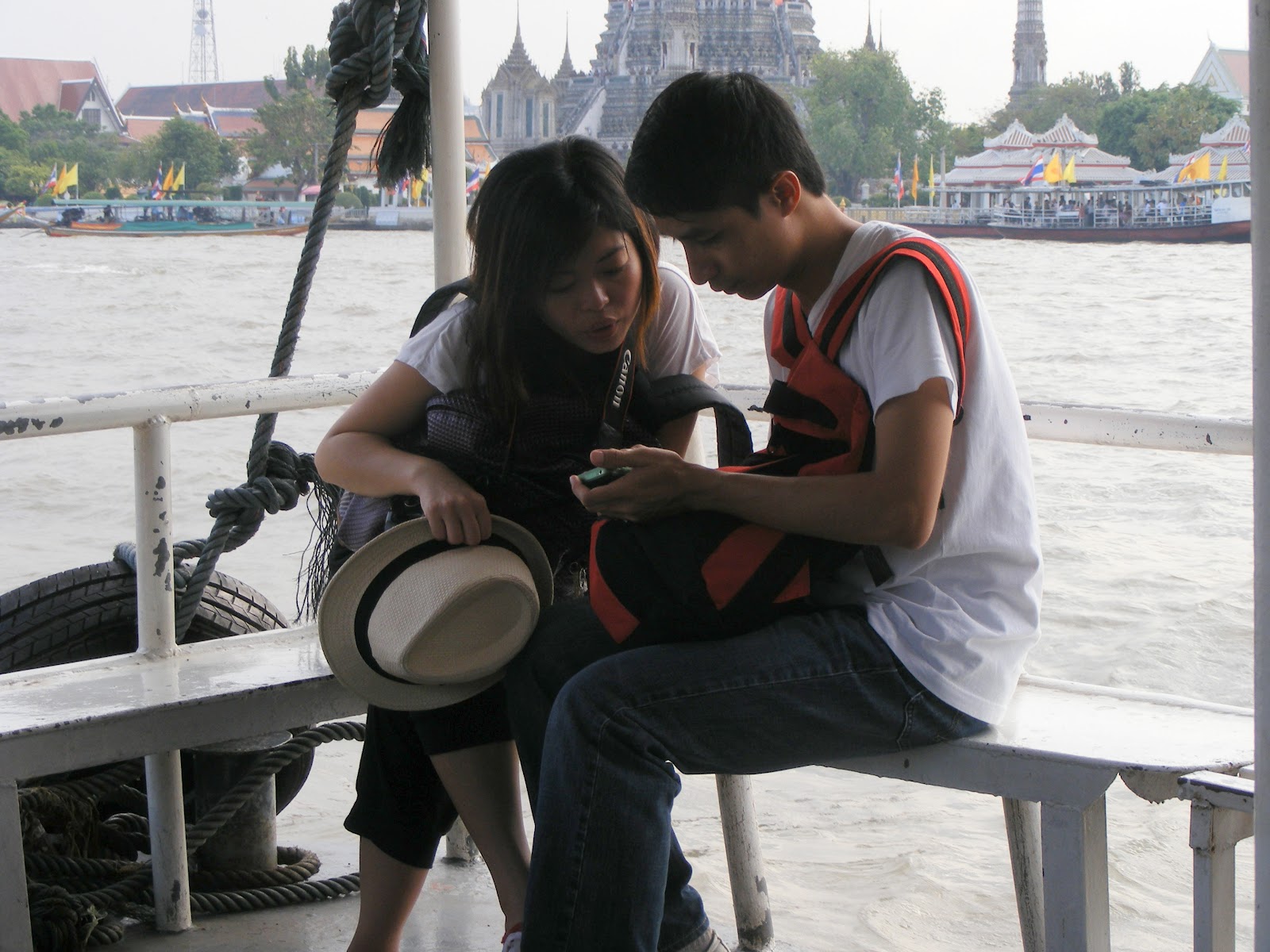
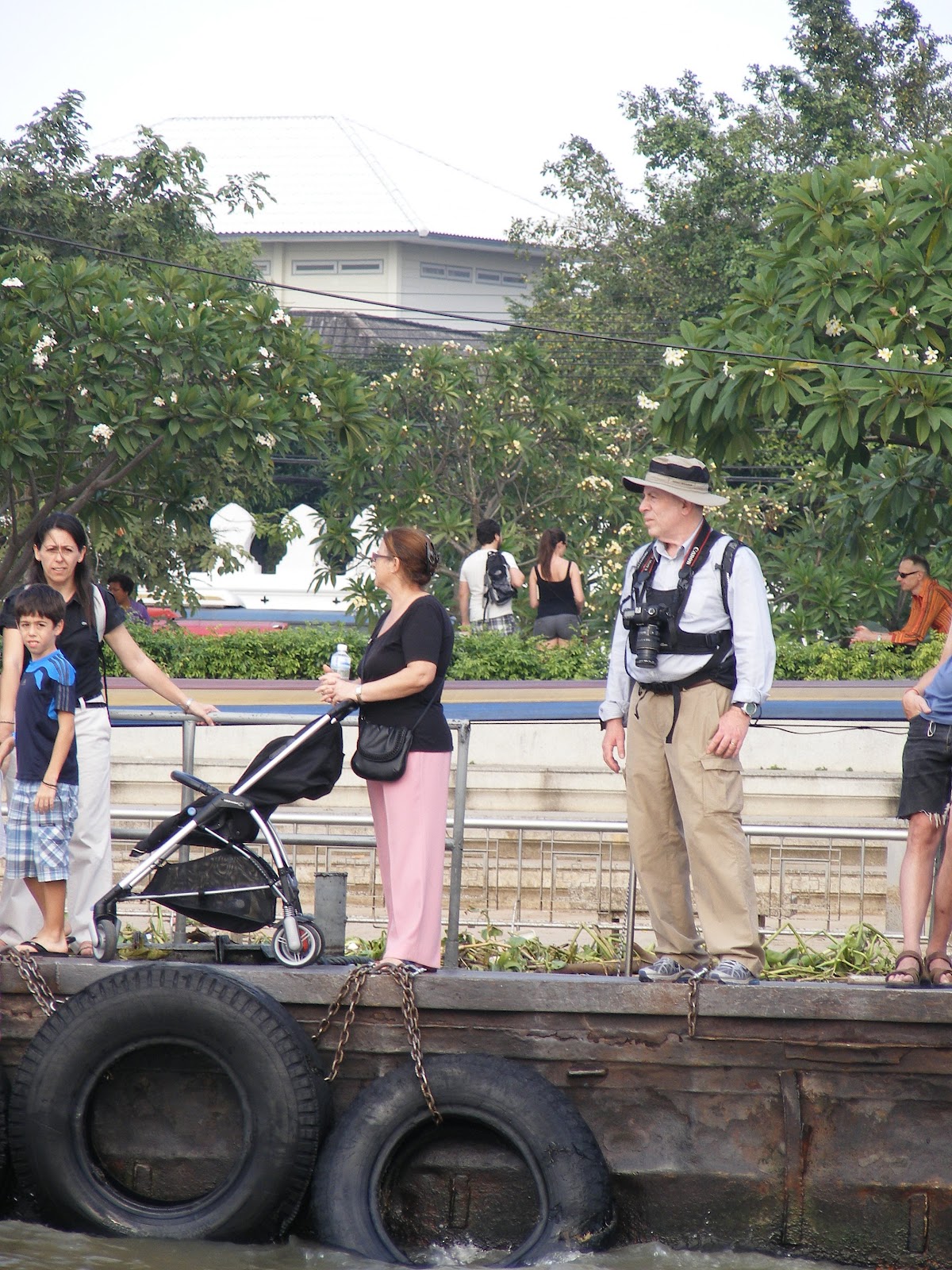
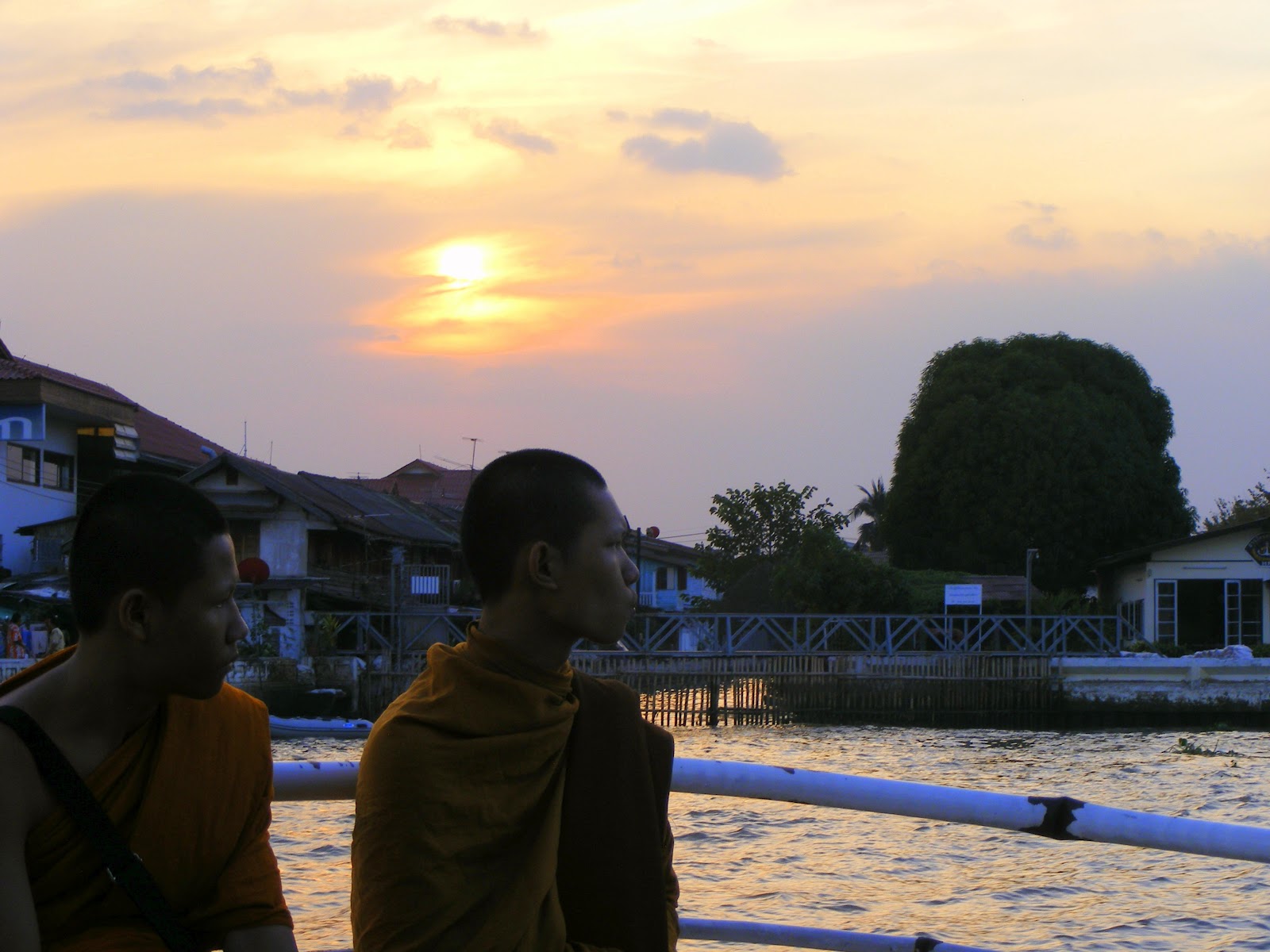
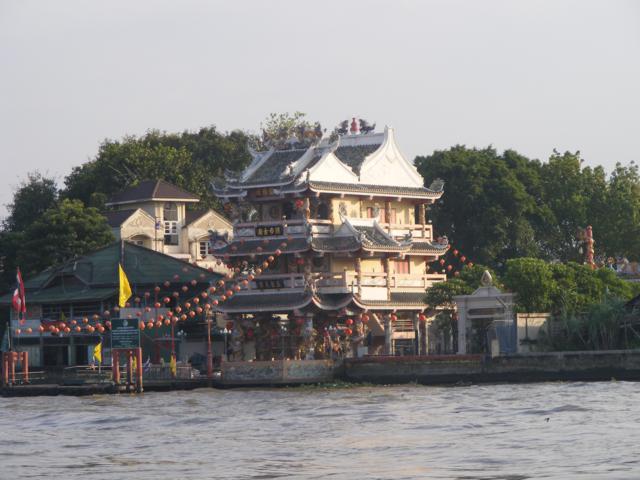


Raul este brazdat de tot felul de ambarcatiuni, unele simple, vechi si chiar saracacioase, altele mai moderne si mai luxoase, cele turistice, cu care se organizeaza croaziere si pe care se poate servi cina in timp ce admiri orasul la apusul soarelui sau barje harnice care imping pe rau, in sus si in jos, tot felul de marfuri.

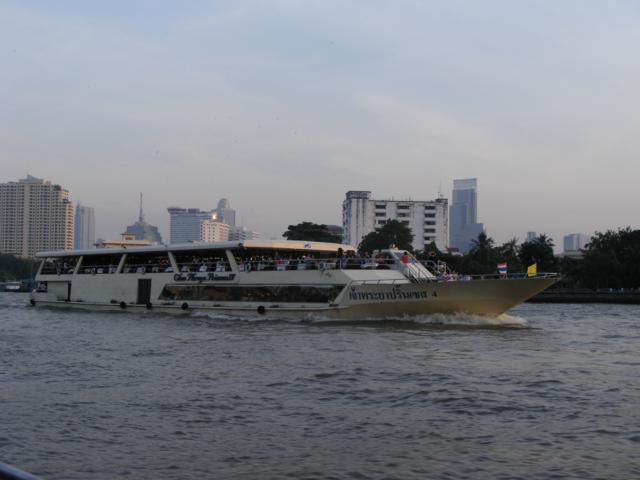


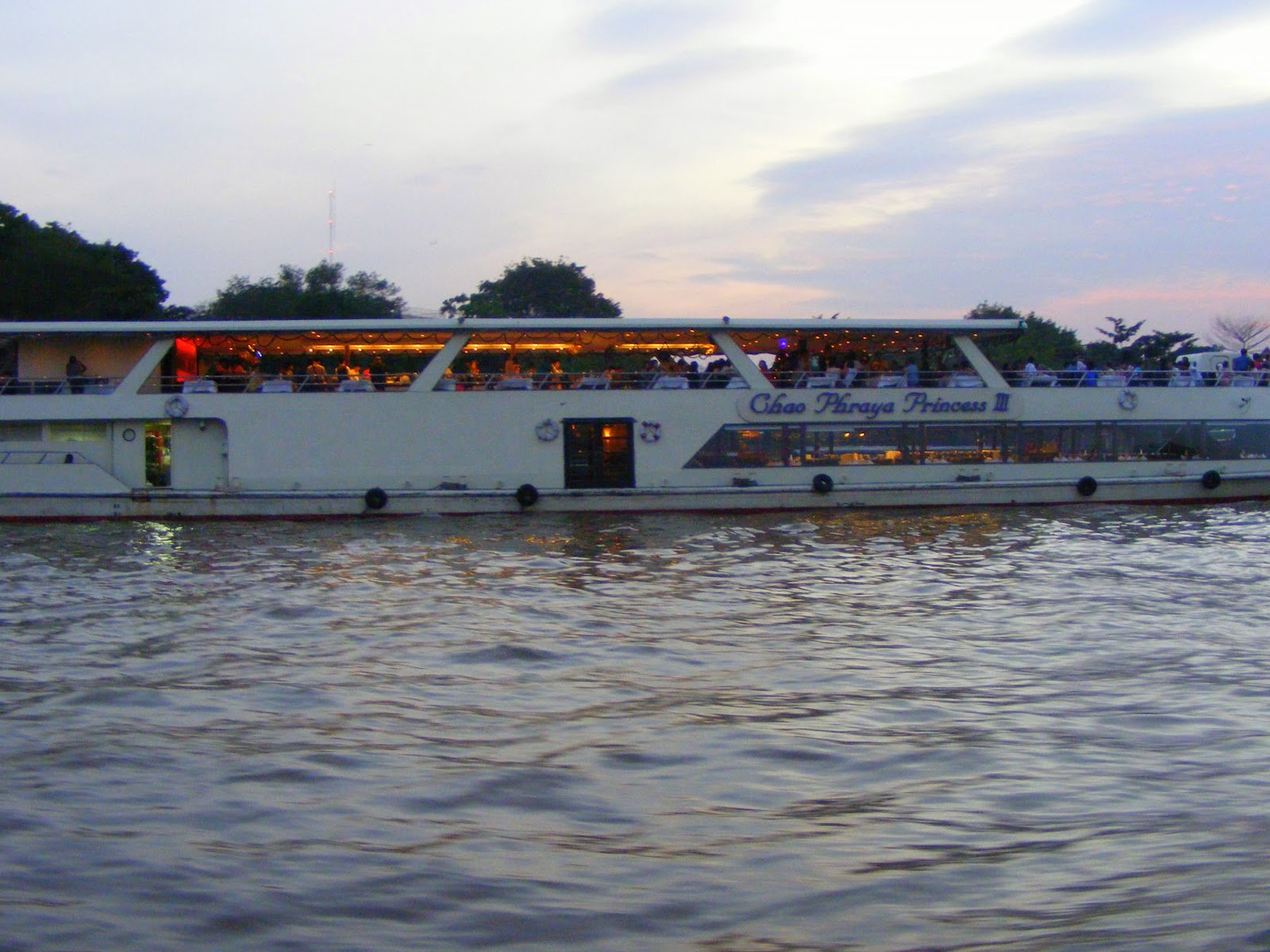
Chao Praya este calea cea mai comoda si rapida pentru a ajunge la obiective turistice importante precum Grand Palace, Wat Arun sau Muzeul barjelor regale, dar si la zeci de alte temple mai mici, piete sau cladiri semnificative pentru istoria orasului.


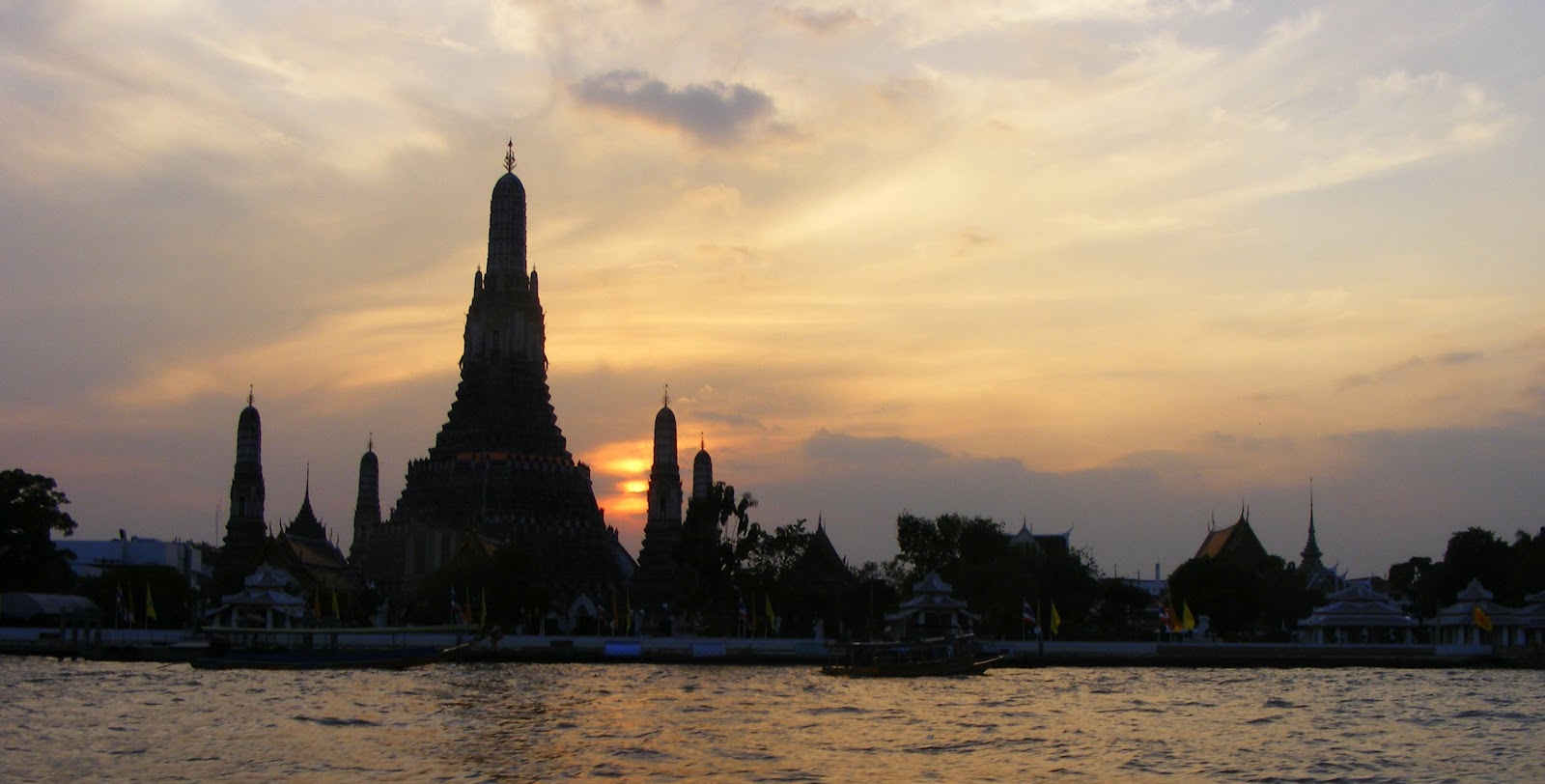
Liniile barcilor se disting dupa culoarea steagului arborat. Cea care functioneaza zilnic, de la 6 la 19.30, este linia portocalie. Biletul costa 15 bht, indiferent de distanta parcursa. Pentru a traversa raul, exista ferry-uri la debarcaderele importante. O traversare costa 3.50 bht.
Cred ca vi-am spus tot ce era important de stiut despre Chao Praya, asa ca imi pot lua ramas bun de la Bangkok si Thailanda. O alta dorinta implinita!



joo
It’s amazing how modern mixes with tradition there! Wonderful post!
By the way, we were lucky to enjoy beautiful weekend! It was 20C and sunny – bliss:)
VP
One more set of interesting pictures…
Traveling Hawk
Thank you, Joo, for following my Thailand stories!
Traveling Hawk
Thanks, VP, for encouragements!
cartim
Frumos.
Daca iti spun la ce mi-aa fugit gandul cand ti-am citit textul….m-ai bate..”O plimbarecu barca pe rau este primul lucru pe care l-am facut cand am ajuns la Bangkok” in mintea mea se derula o imagine dintr-un film cu Chuck Norris 😛
Imi cer scuze dar nu ma puteam abtine sa nu iti spun care a fost primul meu gand…
In alta ordine de idei cred ca e fascinant, e o alta lume, alta mentalitate…
Randy
Nice looking palace.
dong ho
what a great cosmopolitan city thailand is today.
Traveling Hawk
De ce sa te bat, cartim? Si mie imi place Chuck Norris si eram fan al filmelor cu karate:) si nu doar cu el… In general, imi plac filmele de aventuri, cu sau fara karate. Cu cat se desfasoara in zone mai indepartate si mai exotice, cu atat mai bine…
Multumesc pentru comentariu! Ai dreptate, Thailanda este fascinanta si merita vazuta!
Traveling Hawk
It’s a pleasant journey on water, Randy!
Traveling Hawk
I do not know, dong ho, how Bangkok was before but now it has a lot to offer to any tourist!
magda
Fantastic photos my dear friend!!!!
What I remember is the contrast!
On one side of the river, was the poverty, in the other wealth!
I saw many modern buildings, which did not exist!
Really, big city!Lovely!
many greetings
黄清华 Wong Ching Wah
The uniqueness of Thai life style !
DANI
Apa se impleteste cu orasul, nu ? Si asta e mereu mai pregnanat in Asia, cel putin asa simt eu, privind de departe …
Latricia
I really apeaicprte free, succinct, reliable data like this.
Rizalenio
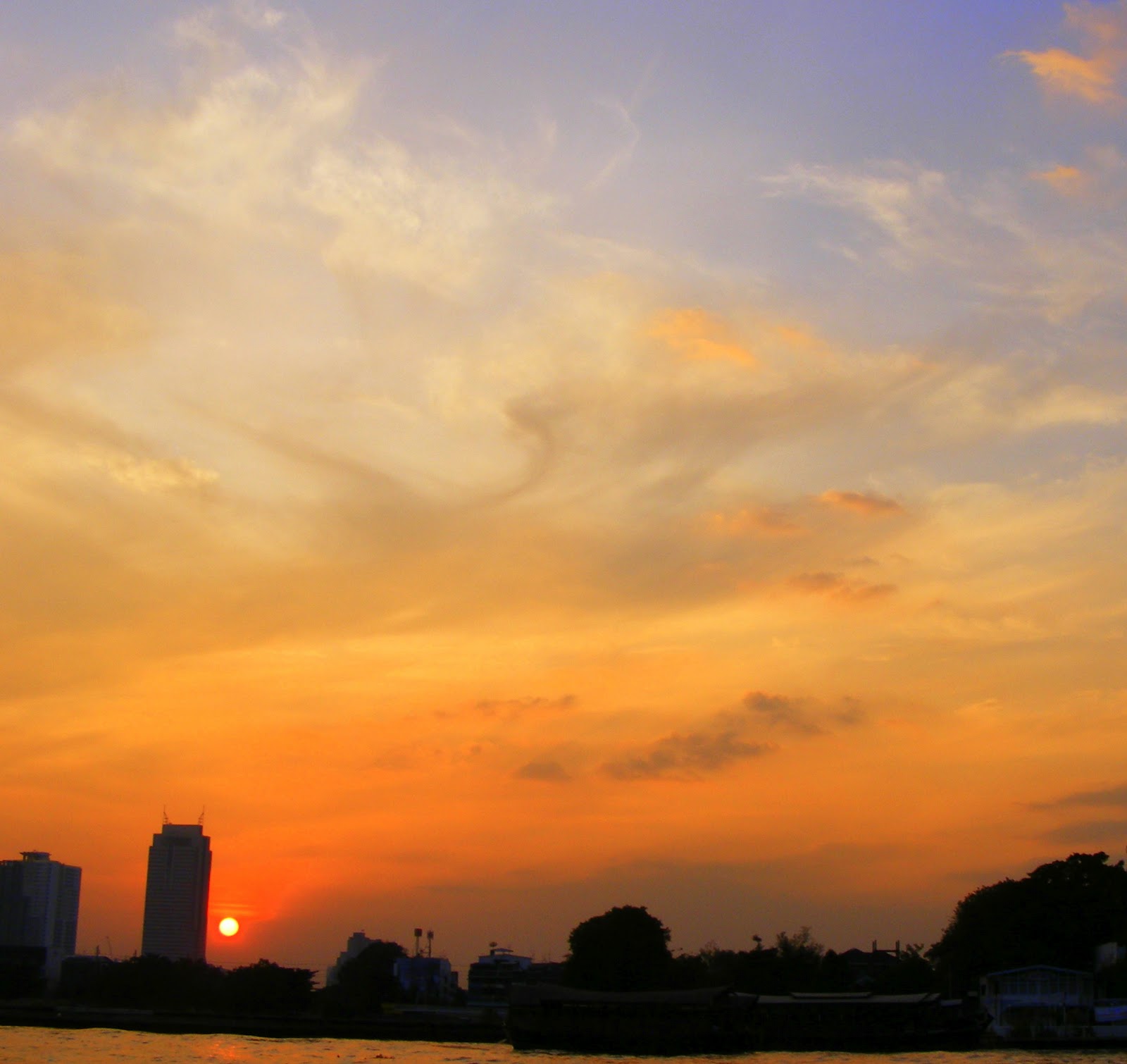
Standing loud claps, Traveling Hawk. Your sunset photos are so beautiful. I love all of it.
I admire the principle of their king. Very very admirable. 🙂
Traveling Hawk
I’m glad I was able to update your memories about BKK, Magda. Thanks for the comment!
Traveling Hawk
Thanks, Wong, for viewing my blog!
Traveling Hawk
E parte a orasului, avand in vedere ca exista si numeroase canale “locuite”, Dani. Multumesc pentru vizita!
Traveling Hawk
Thank you, Rizalenio! Your comment is generous, like always:)
Helma
What many photos Traveling Hawk, but again all the interfering worth to see. I love aerial photographs and there was also another couple of stand.
I can imagine what you’ve customized itinerary, because you should not push enken that that was going to overflow. Terrible disasters that happen there.
Too bad you had so little time for Bangkok, but who knows maybe ever ……
Greetings, Helma
Traveling Hawk
Thanks, Helma, dear!
Victor
Thailanda este între cei cinci tigri asiatici?